Video Summary with Timestamps
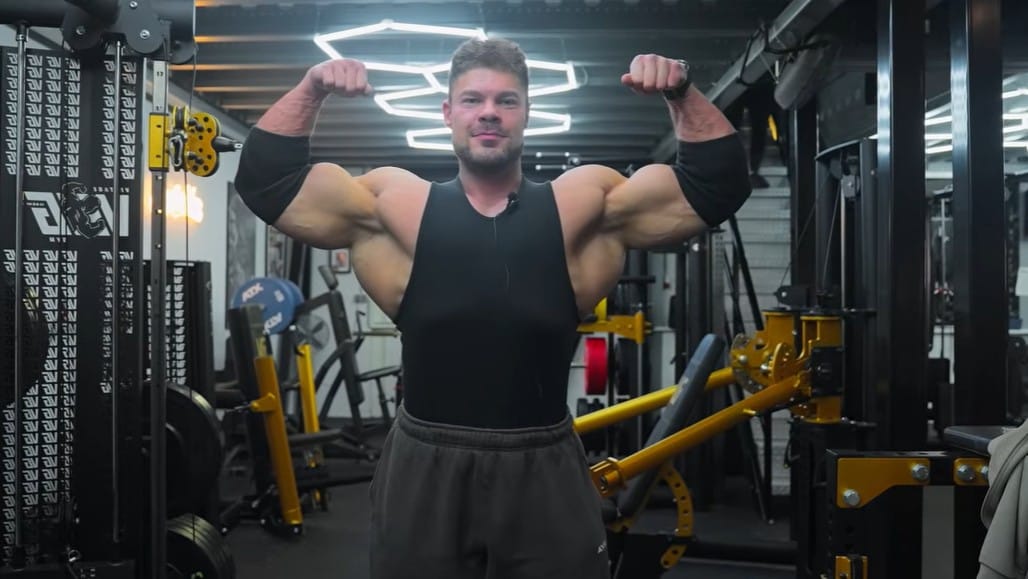
In this video, Wesley Vissers shares his ultimate bulking guide, focusing on his experience gaining over 22 kg (50 lbs) of body weight since earlier this year (2:12-2:26).
Here’s a breakdown of the key topics:
Caloric Surplus: Add 20-30% extra calories on top of your maintenance, primarily from carbohydrates and some fat (11:55-12:05).
What is Bulking? Bulking involves being in a caloric surplus, meaning you eat more calories than you burn, to gain body weight week by week (0:36-0:53). The goal is to gain high-quality weight, primarily muscle, rather than just water or fat (0:56-1:06).
Dirty Bulk vs. Lean Bulk:
Dirty Bulk: This approach leads to a higher proportion of fat and water weight gain with less muscle. While you might look heavy, the quality of the weight gain is low (1:21-1:34).
Lean Bulk: This method focuses on gaining less overall body weight, but most of it will be high-quality muscle, with minimal fat and some water retention (1:36-1:48). The creator is personally a fan of lean bulking because the aim is to gain muscle, not just weight (1:55-1:57). A long-term lean bulk can still result in significant weight gain (2:07-2:30).
Accomplishing a Lean Bulk:
Starting Point: Begin your lean bulk from a stage-lean condition (3:30-3:41).
Weight Gain Rate: Aim to gain around 0.5% to 1% of your body weight per week (3:41-3:48).
Strength Progression: It’s crucial for your strength in the gym to increase simultaneously with your body weight. If strength plateaus or declines, the weight gained is likely fat (3:48-4:02). The creator uses a logbook to track weight progression (4:04-4:09).
Insulin Sensitivity: A lean bulk helps maintain high insulin sensitivity, which directs more calories to muscle tissue rather than fat cells (6:52-7:06). Keeping blood sugar stable, avoiding inflammatory foods, getting good rest, and using proper supplements are vital for a successful lean bulk (7:18-7:28).
Appetite Management: Liquid carbohydrates and intra-workout supplements can help maintain appetite and provide calories directly during workouts, reducing the need for large meals outside of training (7:33-8:40).
Training Intensity: During a bulk, you can train closer to failure and still recover due to the caloric surplus (9:06-9:28).
When are you ready for a bulk?
Body Fat Percentage: Aim for 10% body fat or less (9:58-10:02).
Appetite and Energy: You should have a good appetite for every meal, wake up hungry, have low blood sugar, and possess ample energy for workouts (10:04-10:18).
Clear Goal: Have a specific goal for what you want to improve on your body (10:46-10:50). The creator highlights his focus on improving his legs, allocating more calories and rest on leg days (10:52-11:20).
For Beginners:
Maintenance Calories: First, determine your maintenance calories (11:47-11:55).
Wesley Vissers is taking the year off the stage to bulk – specifically to do a lean bulk. But it’s not going perfectly. He faced several setbacks:
- He experienced inflammation popping up in his knees, elbows, and shoulders, which he had never encountered before (5:17-5:22).
- He believes he was eating and training a little too hard, potentially leading to overtraining, despite aiming for a lean bulk (5:36-6:05).
- He had to take a break and utilized his umbilical hernia surgery as a rest phase, though he noted this was counterproductive as he was already recovering from the surgery (6:07-6:28).
- Even after taking two weeks off for recovery, the inflammation returned when he resumed training (6:29-6:36).
- His appetite was also struggling after a while (7:29-7:30).